
Bravobike and Shopmacher implement commercetools store in just eight weeks
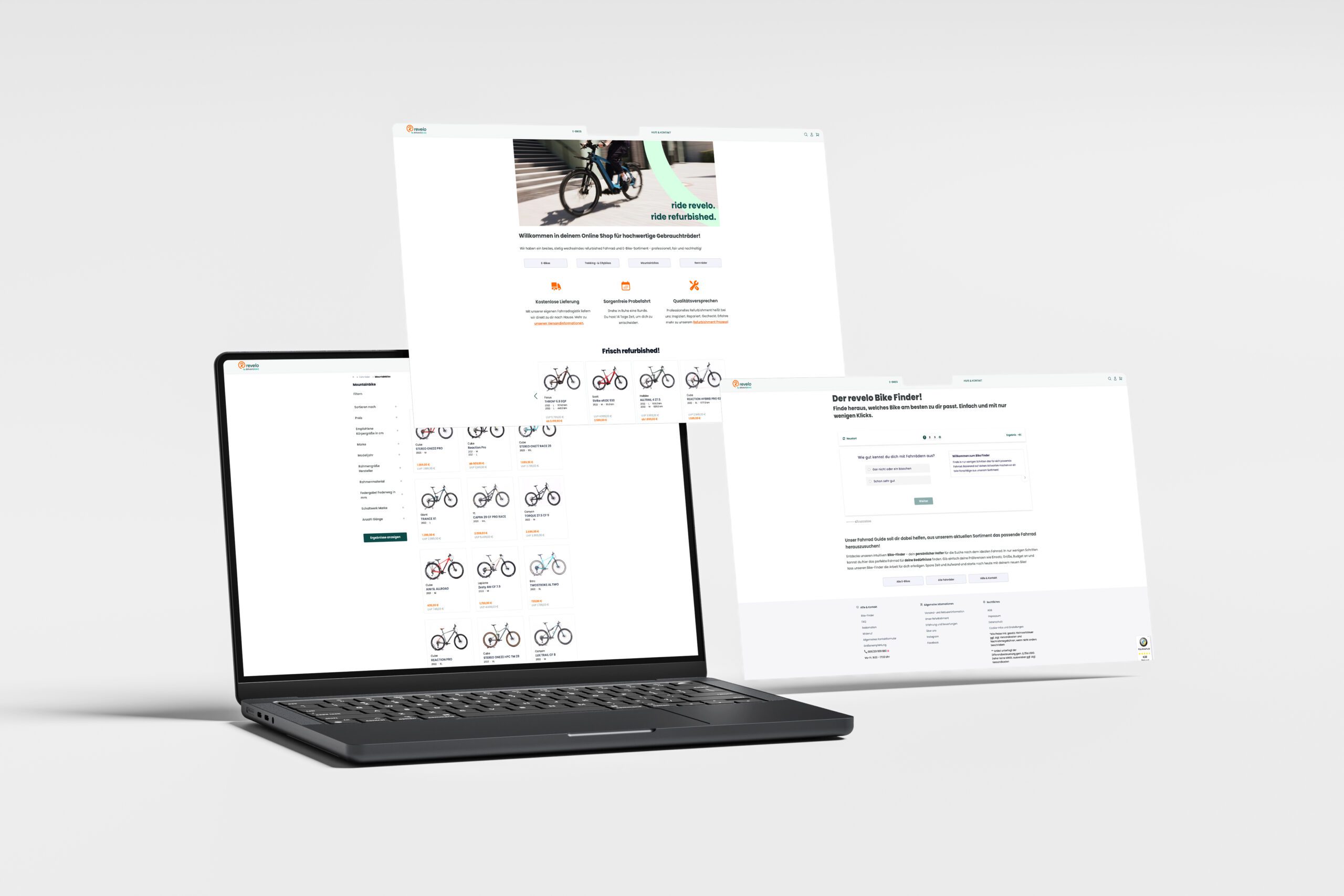
Anyone who wants to move their online store to a modern composable commerce tech stack is quickly unsettled by stories of uncontrollable project complexity and escalating project runtimes. Bravobike and the e-commerce agency SHOPMACHER implemented a new online store MVP based on commercetools in eight weeks. This shows: Anything is possible if you focus.
Clear prioritization and focus on the most important business processes
Modern tech stack for maximum flexibility
At the heart of the new platform are commercetools Composable Commerce and commercetools Frontend. The setup is complemented by the cloud ERP solution Nekom for business processes and Mollie as a payment service provider. A special feature of the project was that Bravobike itself took over the project and requirements management. SHOPMACHER provided two developers and supported with consulting services on the system architecture. “This approach gave Bravobike a high degree of flexibility and control over the development process,” says Dütschke.
After revelo.de initially ran parallel to the previous store Gebrauchtraddstudio, the necessary next development steps were identified and taken. In the meantime, the enhanced MVP has successfully replaced Gebrauchtradstudio.de. The new platform revelo.de is now positioned as a central point of contact for the purchase of professionally refurbished used bikes. Customers can use an intuitive bike finder to find out which bike best suits their needs from the current range of around 500 brands and 30 categories.
“This project is a prime example of how composable commerce does not necessarily have to go hand in hand with confusing complexity and exploding project durations,” summarizes Carsten Dütschke. “The decisive factors are clear prioritization, a focus on the key requirements, efficient communication and, of course, experienced specialists. With this approach, even ambitious schedules can be realized.”
ALSO INTERESTING
The solution: building the bridge between actual and target
The crew is ready, the foundations have been checked and the compass is aligned. Now comes the supreme discipline: how does the vision become a feasible plan? The solution closes the gap between the status quo and the target image – transparently, without a black box and, above all, without the dangerous “guesswork trap”.

Tips for better collaboration between Design & Development
It’s best if designers and developers pay attention to this and communicate with each other from the outset.
PAGE asked André Roitzsch, CEO at SHOPMACHER, four questions about this.
The initial situation: Why a foundation made of toothpicks brings down every project
Anyone building a house first checks the building ground. Anyone starting a digital project often ignores this step and is later surprised to find cracks in the façade. The problem: every unresolved assumption about the actual condition costs many times over in the later course of the project. If there is a lack of documentation and the knowledge only exists in the heads of individual employees, every innovation becomes a risky blind flight.